
The combination Design Engine for solid tumors
We predict the target combinations that shut down escape routes in solid tumors, where 90% of cancer deaths occur.
We predict the target combinations that shut down escape routes in solid tumors, where 90% of cancer deaths occur.
The number of viable multi-target combinations far exceeds what any preclinical screen or clinical trial program can test one at a time.
Cell-line synergy metrics, HTS screens, and simplified model systems often miss the clinical context that determines patient benefit: resistance history, toxicity, line of therapy, biomarker context, and tumor evolution.
Most solid tumors adapt through redundant pathways, lineage plasticity, immune evasion, and resistance rewiring. Pharma needs a systematic way to identify combinations before committing to expensive trials.
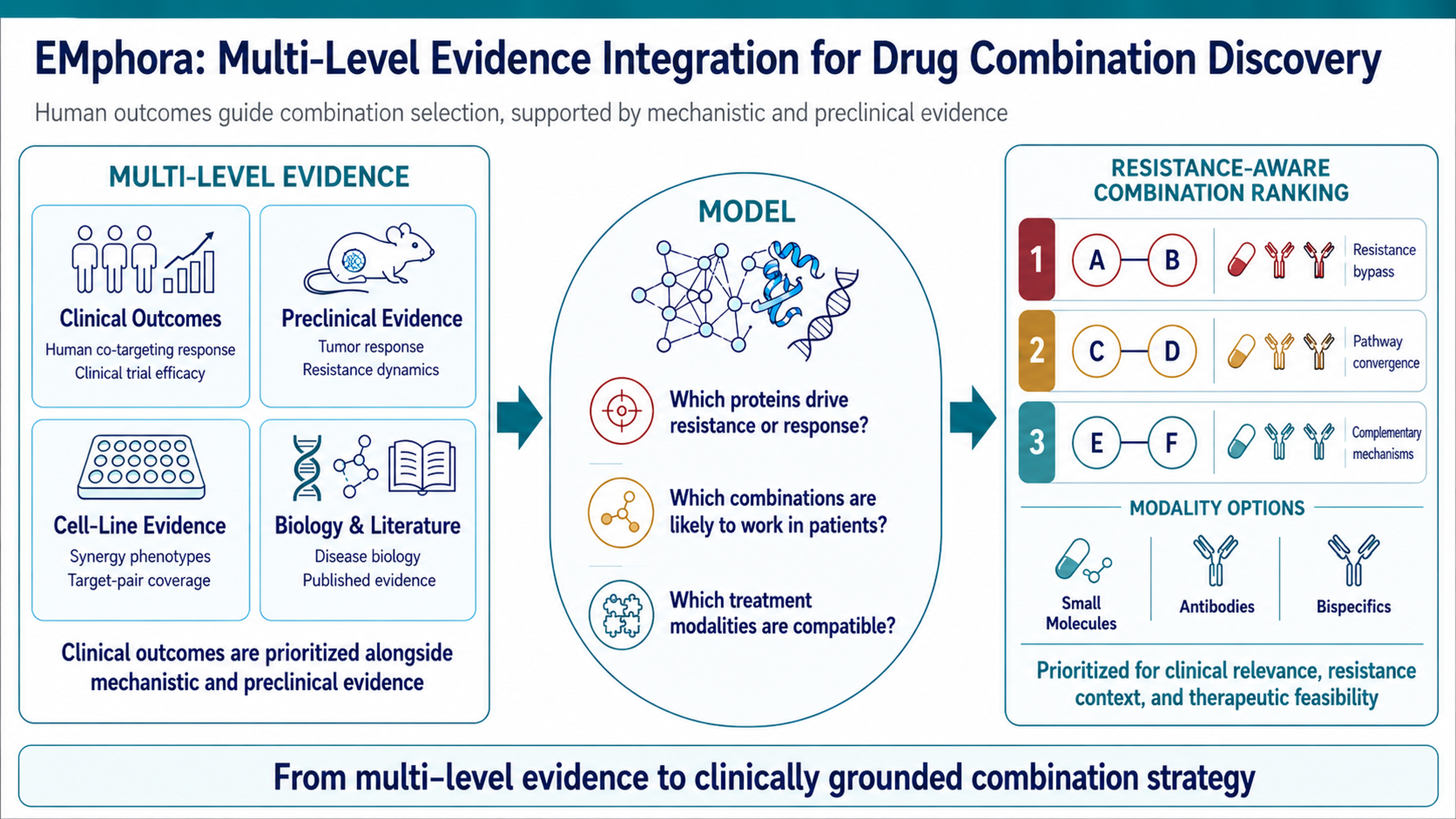
Clinical trial and real-world outcomes, integrated with mechanistic and biological evidence.
Score combinations of 2+ targets by predicted clinical benefit, and surface the patient subgroups most likely to respond.
Outputs are confirmatory studies before a program advances.
Scored on outcomes EMphora has never seen: held-out trials, later trials, and real-world patients.
EMphora predicts how target combinations perform in patients. Train the same model on single-agent regimens instead, and it falls to chance.
Share of true responders.
Related targets never cross from training to test.
Train before the cutoff, predict after it.
Checked against survival and time to next treatment.
Celvion will use EMphora to analyze large-scale clinical outcomes and real-world patient data for Rakovina's ATR inhibitor program, identifying combination targets, predictive biomarkers, and patient populations most likely to benefit.
Read the press release
Mi earned his PhD at Heidelberg University under Prof. Julio Saez-Rodriguez in cancer systems biology, publishing in Nature Biotechnology and Cell Systems. He led the NCI-CPTAC DREAM Proteogenomics Challenge, coordinating 100+ scientists globally, then joined Stanford under Prof. Ash Alizadeh to build a computational reverse translation platform.



15+ years scaling biotech from pre-seed through IPO. Founding team member at Aligos Therapeutics, built all non-scientific functions, and led drafting of the S-1 business section ahead of the $150M IPO. Previously VP of Operations at Gordian Biotechnology. Earlier career in life sciences investment banking and strategy consulting.
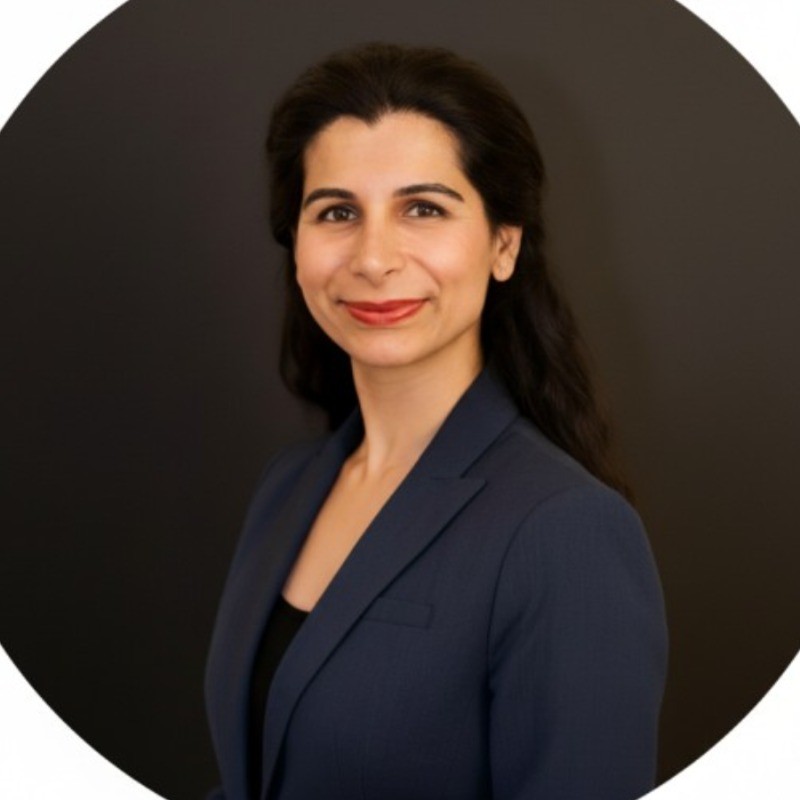
Shae has worked across growth-stage therapeutics companies, academia, and consulting, with expertise in search and evaluation, deal structuring, and negotiation in oncology, immunology, autoimmune, and infectious disease. She also advises biotechs on using AI for business development and portfolio strategy.






Cambridge, MA · celviontx.com